No image available

Tulio Health
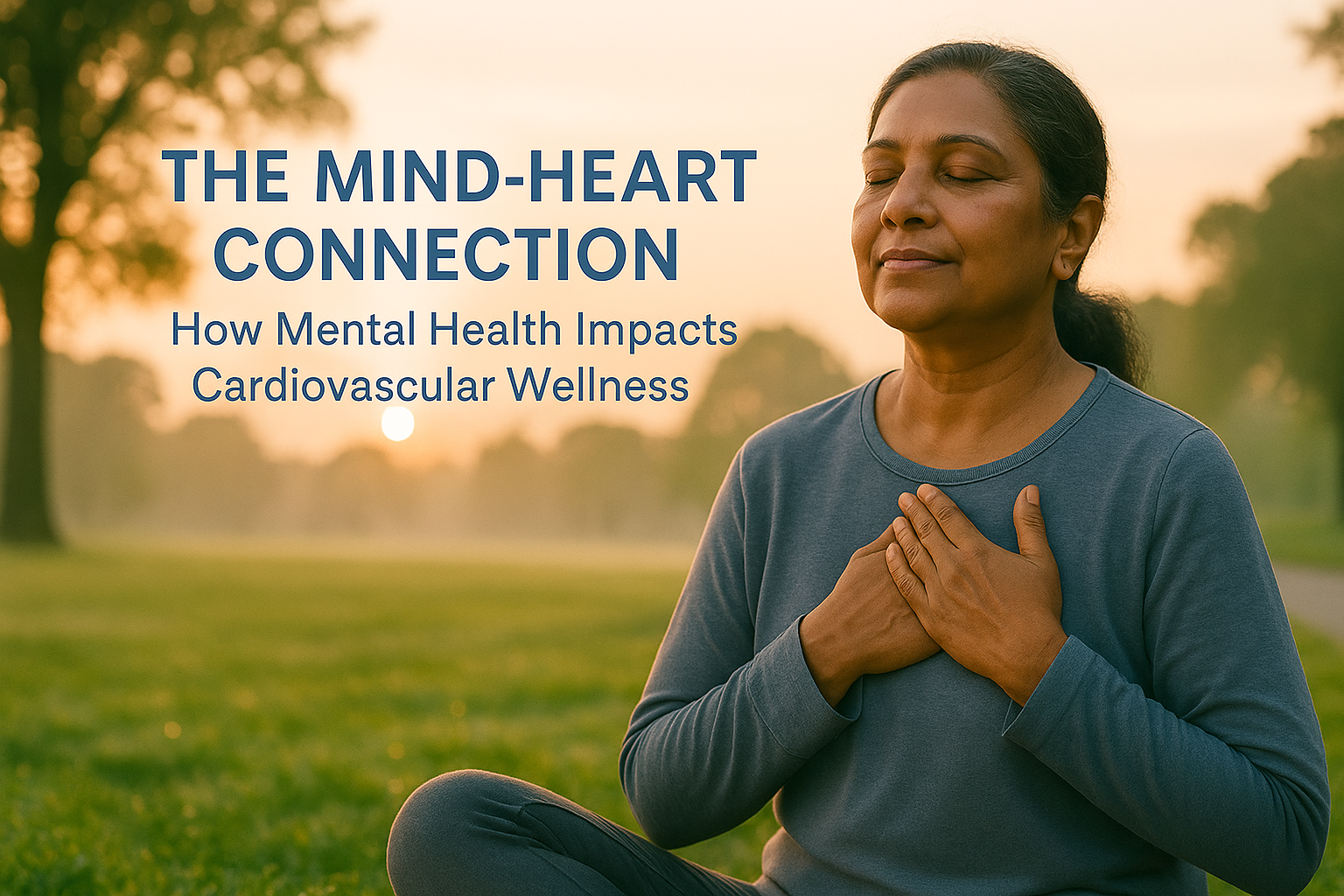
When we think about heart health, we often focus on diet, exercise, and cholesterol. But growing evidence shows that what’s happening in our minds can be just as important as what’s happening in our arteries. Decades of research confirm a powerful, two-way relationship between mental health and cardiovascular outcomes — a link so strong that the American Heart Association now recognizes psychological well-being as an essential part of heart care.
Large studies have found that depression, anxiety, and chronic stress significantly increase the risk of heart disease and stroke. In a meta-analysis including nearly two million people, depression was associated with a 28 percent higher risk of heart attack and a 44 percent higher risk of dying from cardiovascular causes. Similarly, anxiety and chronic stress have been linked to a greater likelihood of developing coronary heart disease, with relative risks ranging from 1.27 to 1.41. Even short-term emotional shocks — such as intense anger or grief — can temporarily raise the risk of heart attack up to 20-fold in the hours that follow.
The relationship between mental health and heart health is complex but well understood. Negative emotional states activate the body’s stress systems, increasing hormones like cortisol and adrenaline that raise blood pressure, heart rate, and inflammation. Over time, this can accelerate atherosclerosis, disrupt heart rhythms, and strain the cardiovascular system. In addition, depression and anxiety can lead to behaviors that indirectly harm the heart — poor sleep, physical inactivity, smoking, and inconsistent medication use.
The encouraging news is that addressing psychological health benefits the heart as well. Treatments such as cognitive behavioral therapy (CBT), mindfulness practices, and antidepressant medications like SSRIs have been shown to improve both emotional well-being and cardiovascular markers. Current American Heart Association and American College of Cardiology guidelines recommend that clinicians routinely screen patients with chronic coronary disease for depression and anxiety, and provide both pharmacologic and non-pharmacologic support when needed.
Even brief screening tools — simple questionnaires completed in the office or electronically — can identify patients who may need extra care. Integrating these steps into cardiology practice improves adherence, enhances quality of life, and may reduce the risk of recurrent events.
Your heart and mind are deeply connected — and caring for one means caring for the other. Managing stress, nurturing emotional resilience, and seeking help for anxiety or depression aren’t just good for mental health; they’re critical for heart health too. Small steps, like mindfulness, gratitude journaling, or staying socially connected, can make a measurable difference in both how we feel and how our hearts function.
This article is for general informational purposes only and is not intended to replace professional medical advice, diagnosis, or treatment. Always seek the advice of your physician or other qualified healthcare provider with any questions you may have regarding a medical condition or before making changes to your healthcare plan.
Tulio Health is a personalized healthcare practice designed to empower individuals in achieving long-term health and well-being. We believe in forming meaningful partnerships with our patients, providing a holistic approach to health that nurtures the body, mind, and spirit. Our team of experienced medical professionals works closely with each patient to create customized wellness plans that cater to their unique needs, ensuring not only the treatment of current conditions but also the prevention of future health challenges.